

Planned surgical procedures with specialist evaluation, pre-operative preparation and follow-up, under local or general anesthesia depending on the type of surgery.
A planned surgical procedure is always preceded by a specialist examination. The surgeon reviews your symptoms, previous results and any imaging findings, examines the affected area, and then determines whether surgical treatment is needed and which procedure may be recommended.
If surgery is justified, the specialist will explain the surgical technique that can be used, the type of anesthesia and the pre-operative tests that are needed. Before a procedure under general anesthesia, an anesthesiology assessment and the necessary laboratory and other tests may also be part of your preparation. A specialist examination is always required before surgery.
Don't want to wait? Book now and get immediate confirmation!
Book an appointment
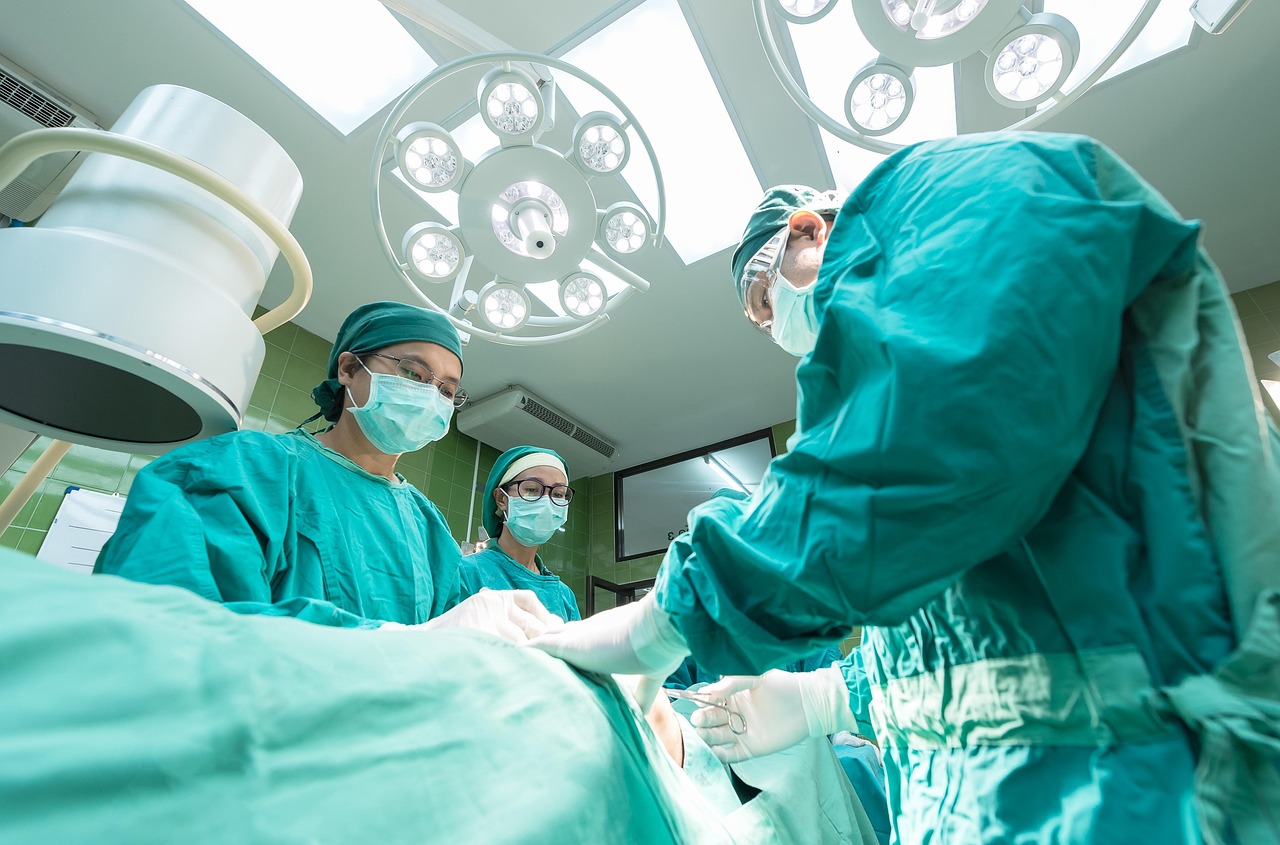
Day surgery is a form of planned surgical care in which, if your condition after the operation is appropriate, a multi-day hospital stay is not needed. After a period of monitoring following the procedure, you can go home within 24 hours if the medical criteria are met, and your recovery continues at home.
Day surgery does not mean that every operation involves the same level of strain or the same recovery time. After a minor soft tissue procedure, a hernia repair or a more extensive varicose vein surgery, pain, wound care, activity recommendations and the time it takes to return to work may all differ.
Swiss Clinic's surgical care ranges from specialist assessment to minor outpatient procedures and a variety of day surgery operations:
Some lesions that develop on or under the skin can be removed on an outpatient basis, while others require an operating room setting. These can include, for example, certain skin lesions, lipomas and other soft tissue lesions that appear to be benign. The procedure can be done under local anesthesia or, depending on the size, location and surgical plan, under general anesthesia. When needed, a pathology examination of the removed tissue can provide more precise information about the nature of the lesion. The appropriate surgical approach is always chosen based on the location and size of the lesion and the results of the specialist examination.
Two different technological approaches to the same anatomical goal.
The principle behind both procedures is the same: reinforcing the weakened point in the abdominal wall, the hernia opening, with a special tissue-friendly mesh. The key differences lie in the surgical access route, the nature of the strain on the body and the recovery time.
Inguinal hernia
Inguinal hernia
Exposing the abdominal wall defect (hernia opening) from the outside and repairing it with mesh without tension.
Closing the hernia opening from inside the abdomen and covering it with stable, endoscopically placed mesh.
Through a direct external incision in the groin, with the surgeon seeing the area directly.
Performed inside the abdomen using a camera and fine instruments inserted through tiny incisions.
Placed outside the abdominal cavity, between the abdominal wall muscle layers and tendinous sheets.
Placed on the inner surface of the abdominal wall, on the abdominal cavity side (in the preperitoneal space).
Extremely broad; safe for almost every patient, including those with large or recurrent hernias.
Stricter criteria: previous abdominal surgeries and internal adhesions can make the procedure more difficult.
Predictable and quick (typically 40–50 minutes).
More variable; often longer, depending on equipment setup and conditions inside the abdomen.
Less strain on the body; can also be performed under spinal anesthesia.
Because the abdominal cavity is inflated with gas (CO₂), general anesthesia with intubation is required.
The gold standard, performed for decades according to standardized, stable international protocols.
A technique that requires state-of-the-art endoscopic equipment and a high level of surgeon experience.
Mainly superficial risks outside the abdominal cavity (such as a local hematoma or moderate wound tightness).
Rarely, irritation of internal organs, as well as temporary shoulder pain caused by the gas distension.
With day surgery, after 4–6 hours of proper rest, the patient can go home.
Because of the anesthesia and possible nausea and bloating, a 24-hour stay is often needed.
A single scar of about 6–8 cm in the natural groin crease, which underwear fully covers.
Three tiny, 5–10 mm pinpoint scars on the abdominal wall, with minimal local wound discomfort.
A proven, minimal recurrence rate thanks to stable anatomical fixation at multiple points.
Depends on precise internal fixation; the chance of recurrence may increase when anatomical difficulties are present.
If surgery has been suggested for a hernia, lipoma, skin or soft tissue lesion, hand condition, varicose veins or another surgical problem, the first step is a specialist consultation. During the consultation, we can clarify whether surgical treatment is needed, which procedure may be recommended and which tests are needed before surgery.
A legjobb élmény biztosítása érdekében olyan technológiákat használunk, mint például a sütik (cookie-k), az eszközinformációk tárolására és/vagy elérésére. Ezen technológiák elfogadása lehetővé teszi számunkra, hogy olyan adatokat dolgozzunk fel az oldalon, mint a böngészési szokások vagy az egyedi azonosítók. A hozzájárulás megtagadása vagy visszavonása hátrányosan befolyásolhat bizonyos funkciókat és működést.