

Swiss Clinic
Menu
Swiss Medical

Urological procedures

Surgical treatment of circumcision and frenulum breve with specialist urological evaluation, preoperative preparation, and postoperative follow-up.

Urological procedures

From specialist examination to postoperative follow-up

Every urological procedure is preceded by a specialist consultation. The urologist examines the affected area, reviews your symptoms and medical history, and determines whether surgery is indicated and whether circumcision or frenuloplasty provides the most appropriate clinical solution.

When surgical intervention is warranted, the procedure may be performed under local anesthesia or general anesthesia, depending on the chosen surgical approach and individual clinical factors. For general anesthesia, preoperative laboratory tests and an anesthesiology consultation are required, supplemented by further diagnostic assessments if necessary. Specific preoperative instructions will be provided by your urologist and, when applicable, your anesthesiologist. The current Swiss Clinic service catalog offers both procedures under both forms of anesthesia.

Phone appointments

Book your appointment quickly and directly through our team:

+36 1 225 0566

Instant online booking

Prefer not to wait? Book now with immediate confirmation.

Book an appointment
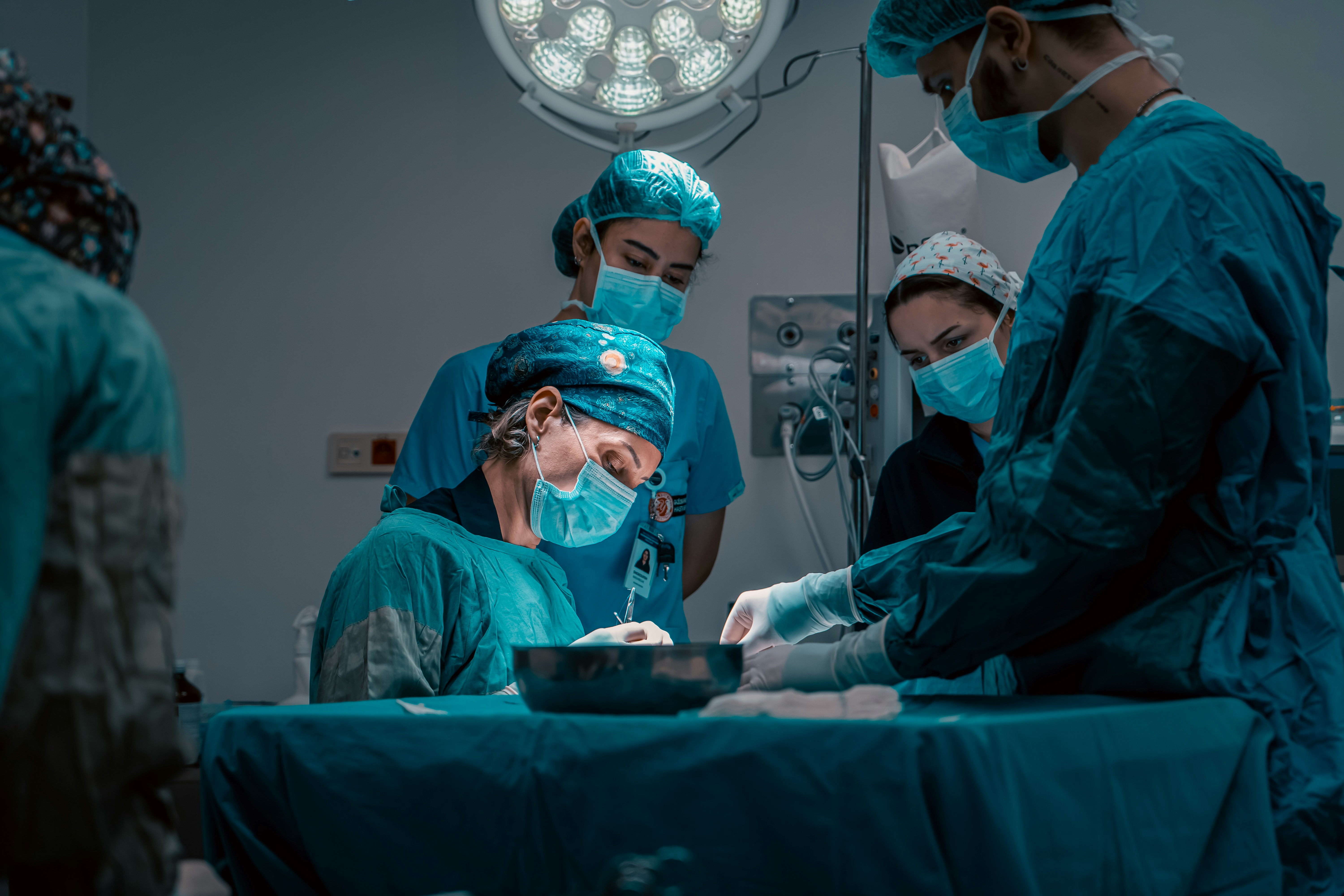
Urological examination and surgical preparation

Surgical preparation

What to keep in mind before surgery

  • Follow preparation guidelines specific to your anesthesia type: Procedures under general anesthesia require preoperative fasting, with exact timeframes outlined in your anesthesiology instructions. For procedures under local anesthesia, do not fast automatically unless specifically instructed to do so.
  • Disclose all regularly taken medications: It is particularly crucial to report anticoagulant (blood thinner) and antiplatelet therapies. Do not discontinue these medications prior to surgery without explicit physician guidance.
  • Notify your urologist of active inflammation or infection: Urethral discharge, significant erythema, fever, urinary tract infection symptoms, or acute local inflammation may require rescheduling your procedure.
  • Arrange transportation home after general anesthesia: An accompanying adult is required following general anesthesia, and driving on the day of the procedure is strictly prohibited. Swiss Clinic's outpatient surgery guidelines mandate departing with an escort.

What is outpatient same-day surgery?

Outpatient same-day surgery is an elective surgical care pathway where, provided postoperative recovery progresses normally, an overnight hospital stay is unnecessary. Following post-procedure monitoring and fulfillment of clinical criteria, patients are discharged within 24 hours to continue recovery in their home environment.

Same-day surgery refers primarily to the duration of the clinical stay. While the hospital stay is short, recovery timelines and post-procedure discomfort vary depending on the individual patient and the specific surgical procedure performed.

Urology examination and surgery prices

Urological procedures

Initial urology consultation
39 900,-
Follow-up urology consultation
25 000,-
Urine bacterial culture and sensitivity testing (aerobic)
9.200 HUF + sample handling fee: 2.500 HUF
Circumcision under general anesthesia
320 000 HUF
Circumcision under local anesthesia
260 000 HUF
Frenuloplasty under general anesthesia
250 000 HUF
Frenuloplasty under local anesthesia
190 000 HUF
Preoperative testing
Preoperative lab panel for general anesthesia
10.740 HUF
Resting EKG with analysis (if required)
7.000 HUF
Two-view chest X-ray (if required)
19.000 HUF + 4.000 HUF evaluation fee
Preoperative anesthesiology consultation for our patients
16.000 HUF
Postoperative care
Follow-up examination
25.000 HUF
Suture removal at Swiss Premium Clinic
10.000 HUF

Available urological procedures

Urological care at Swiss Clinic spans from specialist clinical evaluations to outpatient and same-day surgical procedures:

Circumcision

Circumcision involves the surgical removal of the foreskin (prepuce), leaving the glans penis exposed. The procedure may be indicated for symptomatic phimosis (tight foreskin), recurrent balanoposthitis (inflammation of the glans and foreskin), cicatricial scarring, or specific dermatological conditions affecting the prepuce. However, not all foreskin conditions require surgery, which is why an in-depth urological examination precedes any treatment recommendation.

During the operation, the foreskin is excised and the surgical margins are typically closed with absorbable sutures. At Swiss Clinic, circumcision is available under both local anesthesia and general anesthesia. The appropriate anesthetic modality will be determined during your specialist consultation.

Mild postoperative swelling, tenderness, bruising, and minor spotting are common and expected. Complete wound healing generally requires several weeks, and sexual activity must be deferred until the surgical site has fully healed.

Preparing for urological surgery?

If surgery has been suggested for phimosis, a short or recurrently tearing frenulum, or persistent foreskin discomfort, the first step is an in-depth consultation with an urologist. During the consultation, we clarify whether surgery is indicated, which procedure is optimal, and whether local or general anesthesia is recommended.