

Swiss Clinic
Menu
Swiss Medical

Oral surgery

Evaluation and treatment of complicated tooth extractions, wisdom teeth, lesions around the root tip, oral soft tissue problems and oral surgery procedures that prepare for dental implants.

Oral surgery specialty clinic

From oral surgery evaluation to surgical procedures

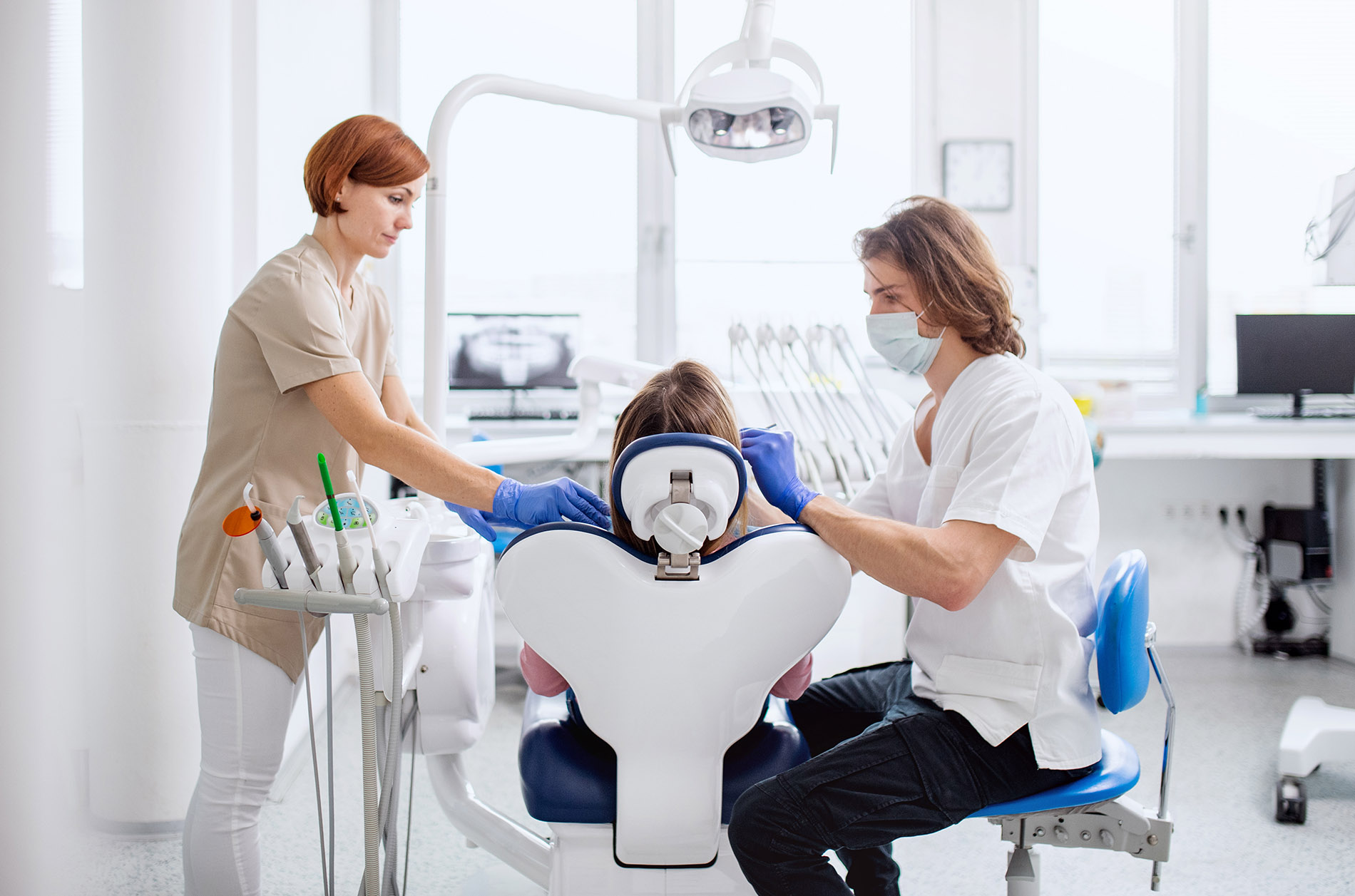
Not every tooth can be removed with a simple extraction. An oral surgery procedure may be needed for a wisdom tooth that is misaligned or only partly erupted, a curved or hard-to-reach root, recurring infection, a lesion around the root tip or another more complex problem.

At the Swiss Clinic oral surgery specialty clinic, the specialist evaluates the condition of your teeth, jawbones and oral soft tissues, as well as any available X-rays. Based on this, the specialist can determine whether a simple extraction, surgical tooth removal, apicoectomy, a soft tissue procedure or other oral surgery treatment is appropriate.

Book by phone

Schedule an appointment quickly by speaking directly with our team:

+36 1 225 0566

Instant online booking

Don't want to wait? Book now and get immediate confirmation!

Book an appointment
Oral surgery specialty clinic and examination

What to know before your visit

Preparing for an oral surgery consultation can differ from preparing for a procedure. The exact steps should always be based on the treatment planned and the type of anesthesia that will be used.

What should you keep in mind before you arrive?

  • Recent dental imaging: If you have had a panoramic X-ray, dental X-ray or other imaging of the affected area, it is a good idea to bring it so the situation can be planned precisely.
  • Eating before local anesthesia: Before an oral surgery procedure performed under local anesthesia only, it is generally a good idea to have a light meal, unless your doctor instructs otherwise.
  • Tell us if you take blood thinners: It is important to know about these medications before a tooth extraction or other surgical procedure. Do not stop your treatment on your own.
  • Report any acute infection or allergy: Be sure to mention significant swelling, fever, antibiotic treatment, a previous reaction to an anesthetic or any drug allergy.

When should you see an oral surgeon?

An oral surgery evaluation may be especially necessary when the problem cannot be resolved with standard dental treatment, or can be resolved only to a limited extent:

  • Problematic wisdom teeth: If you have pain, recurring gum infection, swelling, difficulty opening your mouth, decay, or a wisdom tooth that is partly erupted or misaligned.
  • Complicated or surgical tooth removal: If a tooth is severely damaged, broken off, located below the gum line or cannot be removed with a simple extraction because of its position.
  • Persistent lesion around the root tip: If inflammation or a lesion around the root tip remains next to a tooth that has already had a root canal, an apicoectomy may be an option.
  • Swelling or soft tissue lesions: Surgical care for painful swelling, pus-forming infection, a cyst on the mucous membrane or another soft tissue lesion.
  • Preparing for implants or bone grafting: When planning a tooth replacement, evaluating the bone in the jaw for a bone graft or sinus lift procedure.

Available oral surgery examinations and procedures

Swiss Clinic's oral surgery care offers treatments ranging from the initial assessment and tooth extractions to a variety of bone and soft tissue procedures:

Oral surgery consultation

During the exam, the specialist reviews your symptoms, previous dental treatments and X-rays, then examines the affected area to determine the appropriate treatment plan.

Why choose Swiss Clinic?

When planning oral surgery procedures, it is important to accurately evaluate the teeth, jawbone and surrounding anatomical structures. At Swiss Clinic, dental and X-ray diagnostics are available alongside specialist oral surgery care, so your evaluation and the treatment you need can be planned in a coordinated way.

Book an appointment

Targeted surgical planning

The right procedure can be determined by evaluating the tooth, the surrounding tissues and the imaging results together.

From simple to surgical extraction

Specialist oral surgery care is available for complicated teeth and problematic wisdom teeth.

Procedures that prepare for implants

When appropriate, bone grafting and sinus lift procedures can help create the right conditions for a future dental implant.

Dental X-rays in one system

Panoramic and other dental X-rays can help assess the condition of your teeth and jawbones, as well as the anatomy involved in the planned procedure.

Oral surgery treatment begins with careful planning

An oral surgeon doesn't just look at which tooth is causing the problem, but also at its position, the surrounding bone, the neighboring teeth and its relationship to key anatomical structures. With wisdom teeth, for example, it can be especially important to evaluate the neighboring teeth and nearby nerves, or, in the upper jaw, how close the tooth is to the maxillary sinus.

Most minor oral surgery procedures can be performed under local anesthesia. During treatment, you may feel pressure or movement, but you should not feel sharp pain in a properly numbed surgical area. Temporary pain, swelling and tenderness after the procedure are normal, and how much you experience also depends on the complexity of the procedure.

Do you have a problematic wisdom tooth, a tooth that is hard to remove, or have you been advised to have an oral surgery procedure? An oral surgery evaluation can accurately assess the affected area and determine which treatment or surgical solution is appropriate.

Main areas of expertise and evaluation:

Tooth extraction and wisdom teeth

  • Complicated tooth extraction
  • Surgical tooth removal
  • Wisdom tooth removal
  • Surgical wisdom tooth removal

Root and soft tissue procedures

  • Apicoectomy (root-end resection)
  • Mucocele removal
  • Frenectomy
  • Incision as needed

Bone grafting and further care

  • Evaluation of available bone
  • Bone grafting procedures as needed
  • Internal sinus lift
  • Sinus lift with bone grafting

Don't let your symptoms leave you with unanswered questions

Our experienced medical specialists and advanced diagnostic technology can help identify the underlying causes of your symptoms. Choose an appointment time that works best for you.

Frequently asked questions

The most common questions about the oral surgery specialty clinic.

No. If a wisdom tooth causes no symptoms, is well positioned and shows no abnormalities, removal is not automatically necessary. Surgery may be considered if the tooth causes recurring infection, pain, decay or another problem, or if its position is likely to lead to further damage. The decision should be made based on a clinical exam and imaging.

The procedure is usually performed under local anesthesia, so you should not feel sharp pain in the numbed area, although you may feel pressure and movement. After the surgery, you may have pain, swelling and jaw stiffness, which are typically strongest in the first few days and then gradually improve.

Before treatment performed under local anesthesia only, fasting is generally not necessary, and a light meal may even be recommended. With other types of anesthesia, however, different rules on eating and drinking may apply, so always follow the specific instructions you were given in advance.

You may have pain, swelling and tenderness at the surgical site for a few days. It is important to protect the blood clot that forms, so right after the procedure, avoid vigorous rinsing and do not touch the wound. Smoking can slow wound healing and increase the risk of certain complications, such as dry socket. You will receive detailed aftercare instructions after the procedure.

When planning a dental implant, there must be enough bone, in the right location, to hold the implant securely. If significant bone loss has occurred after losing a tooth, or if there is little bone in the back of the upper jaw because of the position of the maxillary sinus, bone grafting or a sinus lift may be considered. Whether it is needed can be determined based on imaging and an oral surgery evaluation.