

Swiss Clinic
Menu
Swiss Medical

Orthopedics

Specialist diagnostic evaluations for joint, spine, bone, muscle, and ligament disorders, with personalized treatment for acute and chronic musculoskeletal pain.

Orthopedic consultation

From identifying the source of pain to restoring full mobility

Musculoskeletal complaints may arise abruptly or develop gradually, affecting the spine, shoulders, elbows, hips, knees, ankles, or other joints. Alongside localized pain, restricted range of motion, stiffness, weight-bearing difficulty, or recurrent joint swelling frequently indicate the need for an orthopedic evaluation.

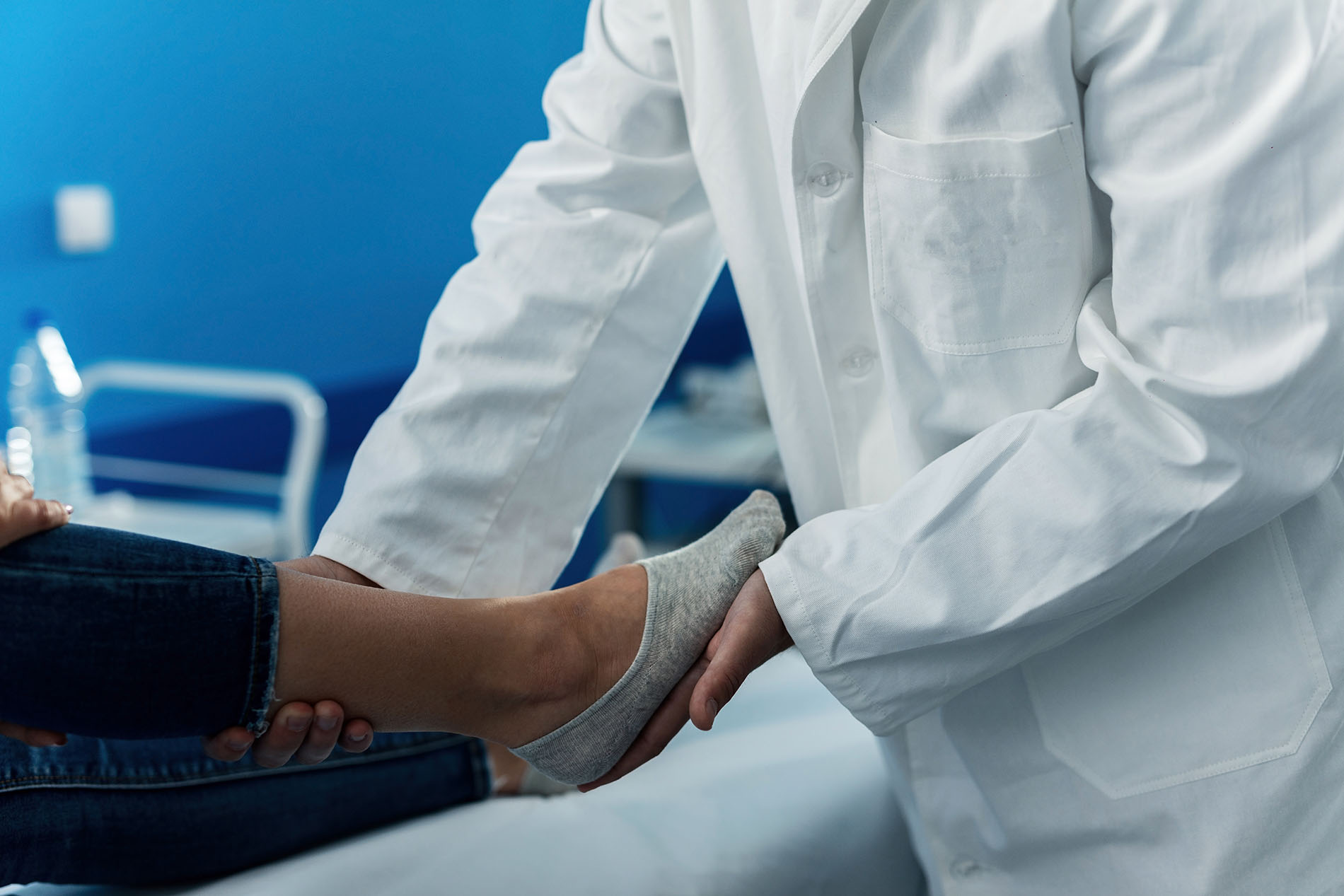
At Swiss Clinic's orthopedic practice, evaluations begin with an in-depth review of your symptoms and clinical history, followed by a targeted physical examination. When indicated, our specialists recommend advanced diagnostic imaging—such as X-rays or musculoskeletal ultrasound—to formulate an individualized, evidence-based treatment plan.

Phone appointments

Book your appointment quickly and directly through our team:

+36 1 225 0566

Instant online booking

Prefer not to wait? Book now with immediate confirmation.

Book an appointment
Orthopedic consultation and specialist medical examination

Important information before your visit

An essential part of an orthopedic consultation is evaluating mobility, weight-bearing tolerance, and range of motion in the affected joint or anatomical region. A few simple preparations ensure your specialist gains an accurate picture of your condition.

What to keep in mind before your visit

  • Previous imaging studies: If you have previously had an X-ray, ultrasound, CT, or MRI of the affected area, please bring the official reports and the original image files or discs. This comparative data is especially crucial for chronic or previously treated conditions.
  • Symptom triggers and movements: Note whether your pain is triggered by walking, climbing stairs, prolonged sitting, athletic activities, specific arm movements, or during the night, and observe which positions relieve or exacerbate it.
  • Comfortable clothing: During the physical examination, exposing and freely moving the affected joint or limb is necessary. We recommend wearing comfortable, loose-fitting clothing that allows easy access to the area under examination.
  • Prior injuries and surgical history: If the affected area was previously injured, fractured, operated on, fitted with an implant or joint prosthesis, or treated with joint injections, having these dates and records available helps your physician evaluate your current symptoms.

When should you consult an orthopedic specialist?

An orthopedic consultation is recommended when musculoskeletal pain is persistent, recurring, worsening, or interfering with daily activities:

  • Joint pain and restricted range of motion: Persistent pain, stiffness, swelling, or reduced mobility affecting the shoulder, elbow, hip, knee, ankle, or other joints.
  • Low back and spinal complaints: Recurrent or chronic low back pain, acute lumbago, or diagnostic evaluations for confirmed or suspected herniated discs.
  • Tendonitis and repetitive strain injuries: Tennis elbow, tenosynovitis, sports-related tendon injuries, or pain caused by repetitive strain and overuse.
  • Hand and wrist disorders: Suspected carpal tunnel syndrome, ganglion cysts, wrist or hand pain, or mechanical disorders limiting normal hand function.
  • Hip disorders and infant hip screening: Diagnostic evaluation of adult hip pain and stiffness, as well as routine orthopedic hip screening for infants.

Available examinations

In addition to comprehensive general musculoskeletal evaluations, Swiss Clinic offers a wide array of specialized orthopedic services:

Initial and follow-up orthopedic consultation

A comprehensive review of musculoskeletal complaints, prior medical conditions, and past injuries, combined with a targeted physical examination and the formulation of a diagnostic or therapeutic pathway.

Why choose Swiss Clinic?

Optimal treatment of orthopedic conditions requires precisely identifying which musculoskeletal structures are involved and uncovering the underlying biomechanical cause. At Swiss Clinic, clinical examinations are supported by advanced diagnostic imaging and comprehensive musculoskeletal care.

Book an appointment

Targeted musculoskeletal evaluation

During the physical exam, your specialist evaluates functional mobility, joint biomechanics, and specific pain-provoking triggers.

X-ray and ultrasound on demand

When indicated by the physical examination, digital X-rays or musculoskeletal ultrasound support an accurate diagnosis.

Diagnosis-tailored treatment plans

Based on your clinical findings, your specialist may recommend conservative therapy, physical therapy, targeted joint injections, or surgery.

From consultation to surgical care

Alongside outpatient clinics, Swiss Clinic provides specialized orthopedic surgical care when conservative measures are insufficient.

Effective treatment begins with identifying the origin of pain

During an orthopedic examination, the specialist assesses not only the site of pain, but also how the joint or limb functions under movement, what mechanical loads provoke discomfort, and whether previous injuries or degenerative changes contribute to symptoms.

A targeted physical examination directs the course of diagnostic investigation. When appropriate, X-rays, musculoskeletal ultrasound, or advanced imaging confirm anatomical findings. Treatment is then personalized to your diagnosis and symptom severity, ranging from conservative modalities and specialized injections to surgical intervention.

Is joint, spinal, or limb pain persisting, recurring, or restricting your daily activities? Our board-certified orthopedic specialists perform targeted physical evaluations and recommend appropriate diagnostic imaging to guide your care.

Main focus and diagnostic areas:

Joint conditions

  • Shoulder, elbow, hip, knee, and ankle disorders
  • Joint pain and restricted range of motion
  • Cartilage wear and osteoarthritis-related pain
  • Tendon disorders and overuse injuries

Spine and lower back

  • Acute and recurrent low back pain
  • Lumbago
  • Intervertebral disc disorders
  • Spinal conditions affecting mobility and weight bearing

Diagnostics and treatment

  • Comprehensive orthopedic physical examination
  • Digital X-ray and musculoskeletal ultrasound as indicated
  • Conservative and targeted interventional therapies
  • Orthopedic surgical care when indicated

Don't let your symptoms leave you with unanswered questions

Our experienced medical specialists and advanced diagnostic technology can help identify the underlying causes of your symptoms. Choose an appointment time that works best for you.

Frequently asked questions

Common questions regarding our orthopedic clinic and specialist care.

An orthopedic evaluation is indicated for persistent or recurrent joint and limb pain, low back and spinal complaints, limited mobility, overuse tendon injuries, and hip, knee, shoulder, or elbow problems. You should also seek specialist care if pain becomes progressively frequent or restricts everyday activities, work, or sports.

Your physician begins by reviewing symptom onset, pain characteristics, previous injuries, and past musculoskeletal conditions. This is followed by a physical examination assessing range of motion, functional biomechanics, focal tenderness, and joint stability. These findings determine whether diagnostic imaging is necessary.

You do not need to arrange diagnostic imaging in advance without a physician's recommendation. The appropriate imaging modality depends entirely on the nature of your symptoms and your physical examination findings. However, if you already have previous X-rays, ultrasounds, CT, or MRI scans of the affected area, please bring them to your appointment.

While these specialties share clinical overlap, orthopedics focuses on structural, mechanical, congenital, and degenerative conditions affecting bones, joints, muscles, tendons, and ligaments. Rheumatology is an internal medicine discipline dealing primarily with systemic inflammatory, autoimmune, and polyarticular disorders.

Many orthopedic conditions respond well to non-surgical care, including lifestyle modifications, physical therapy, medication, and targeted therapeutic injections. Surgery is considered when structural damage requires anatomical repair, when function is severely compromised, or when conservative treatments fail to provide adequate relief. Surgical indications are always evaluated on an individualized basis.